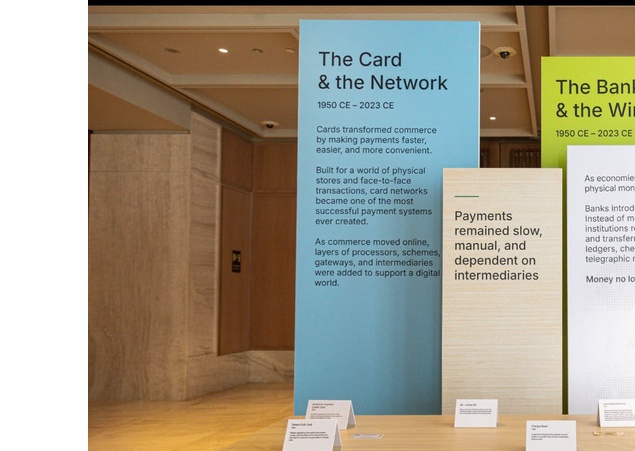
 LEAN TECHNOLOGIES · UAE 🇦🇪
From history to hands-on.
I ran the Pay by Bank launch: a Museum of Payments walkthrough that led guests into a hands-on checkout demo, with commercial training linked to CRM follow-up.
Make the product tangible.
Make the conversation count.
Six proposed experiences. One connected design language.
Stitch brings the building blocks of financial products together. These concepts explore how that idea could feel in a room, at a workbench and in someone’s hands.
Each format gives guests something specific to do, a reason to talk and a clear next step.
“You’ve got to start with the customer experience and work backwards to the technology.”
— Steve Jobs
These are proposals. The experience behind them is real. Here are three moments from my delivered work.
LEAN TECHNOLOGIES · UAE 🇦🇪I ran the Pay by Bank launch: a Museum of Payments walkthrough that led guests into a hands-on checkout demo, with commercial training linked to CRM follow-up.
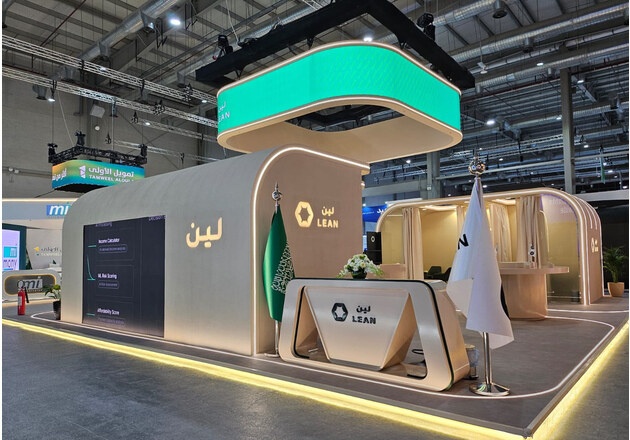 LEAN TECHNOLOGIES · SAUDI ARABIA 🇸🇦
I delivered Lean's Money20/20 Middle East booth end to end: concept, specifications, build and live floor. I also led the signing programme.
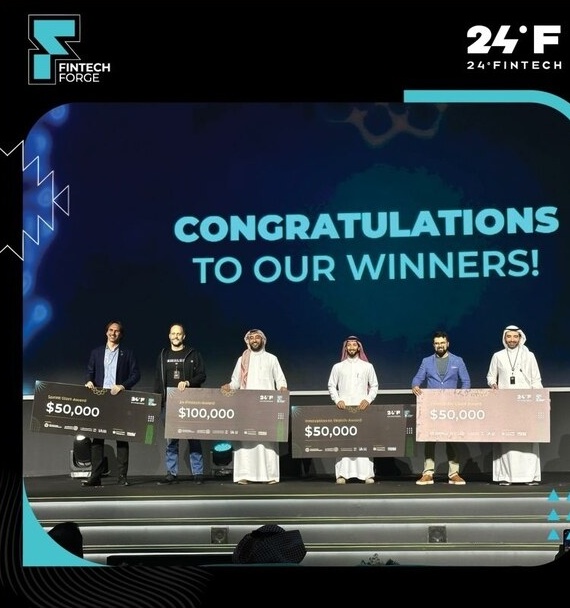 ABWAB.AI · SAUDI ARABIA 🇸🇦
As a founding team member, I built Abwab's brand and took it onto the international fintech circuit, including its Innovation to Watch award at 24 Fintech.
Make the product
something people can touch.
Infrastructure is hard to picture. A physical workbench gives visitors a simple way to explore how a financial product fits together.
Choose a product brief. Move the modules. Ask a specialist to walk through the matching synthetic journey.
A product blueprint and, where there is a fit, an agreed working session with Sales and Product.
A slim solid-surface bench, six tactile modules and a visible metal frame. A fine connecting line links selected docks so it explains the assembly. A lower work position and a separate conversation area support different ways to take part.
Physical assembly explains a product journey. It does not imply instant API deployment. Product, venue, structural and accessibility review precede any build.
Indicative design study. Not for construction.
Put the hard decisions
on the wall.
A buying group needs a shared view of the problem. A movable blueprint makes boundaries, unknowns and owners visible to everyone.
Map the current journey, move the modules, test integration boundaries and record the decisions still needed.
A jointly reviewed blueprint and evaluation plan with named owners and next actions.
Three sliding panels turn the wall into a working surface. Magnetic cards can be moved and replaced. A connecting line marks the selected route across a panel boundary. The table, rails and remote position remain practical and visible.
Use synthetic examples until an account agrees how its information will be handled. Confirm facilities, access and retention requirements before use.
Indicative design study. Not for construction.
Bring one ambition.
Leave with a better question.
A small dinner creates space for the questions that rarely surface on a conference floor. The conversation starts with a customer problem.
Share a product ambition, identify the operating constraint and compare perspectives with a carefully chosen group. Private questions stay private.
An unattributed synthesis of useful themes. A separate follow-up is offered only when the guest wants it.
An off-white oval table and charcoal seating keep the setting quiet. The connecting detail sits within a reusable set of question trays. Each place has a card and pencil. The working objects carry the identity.
Guest mix, dietary needs, local timing and institutional hospitality policies need review. No venue or attendance is confirmed.
Indicative design study. Not for construction.
Four working installations, each built around a different buying conversation. Start with familiar friction. Then make the connected journey tangible.
I would prioritise regulated banks, lenders, fintech issuers and payment providers. Stitch's current FAQ puts direct access for non-regulated businesses in the future, so I would treat embedded-finance brands as a partner-led or later audience, not assume they can buy today.
Applications + Loans + Ledgers
Digital loans / BNPL
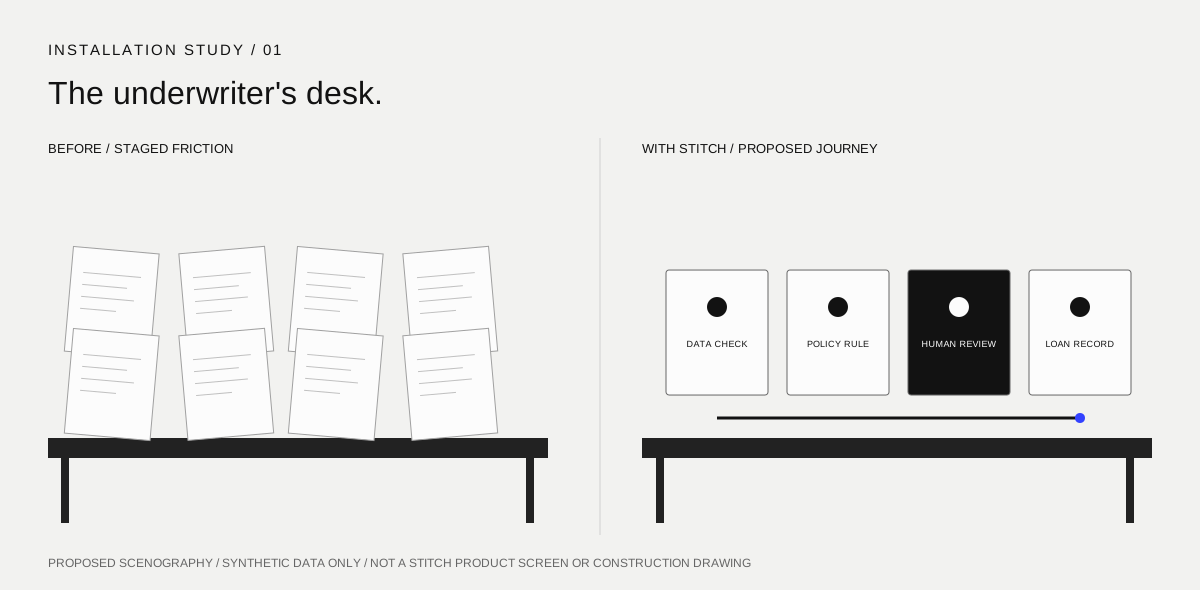 Concept schematic / open drawing ↗
A desk piled with synthetic application files, duplicate checklists and unanswered hand-offs. A deliberately staged friction story, not a claim about every bank.
Beside it, a clear decision console. Guests assemble a loan journey from data checks, policy rules and a human review route. A facilitator reveals the application record and repayment schedule.
The interaction. Choose a fictional borrower, identify the missing information, then map which decisions can be automated and which need a person.
The useful output. A buyer-owned lending blueprint: policy owner, integration questions and one agreed technical workshop.
Product grounding. Digital loan capabilities ↗. This installation is my proposed interpretation. Product specialists must validate the demonstration, rules and claims.
Applications + Deposits + Ledgers
Onboarding / Deposit accounts
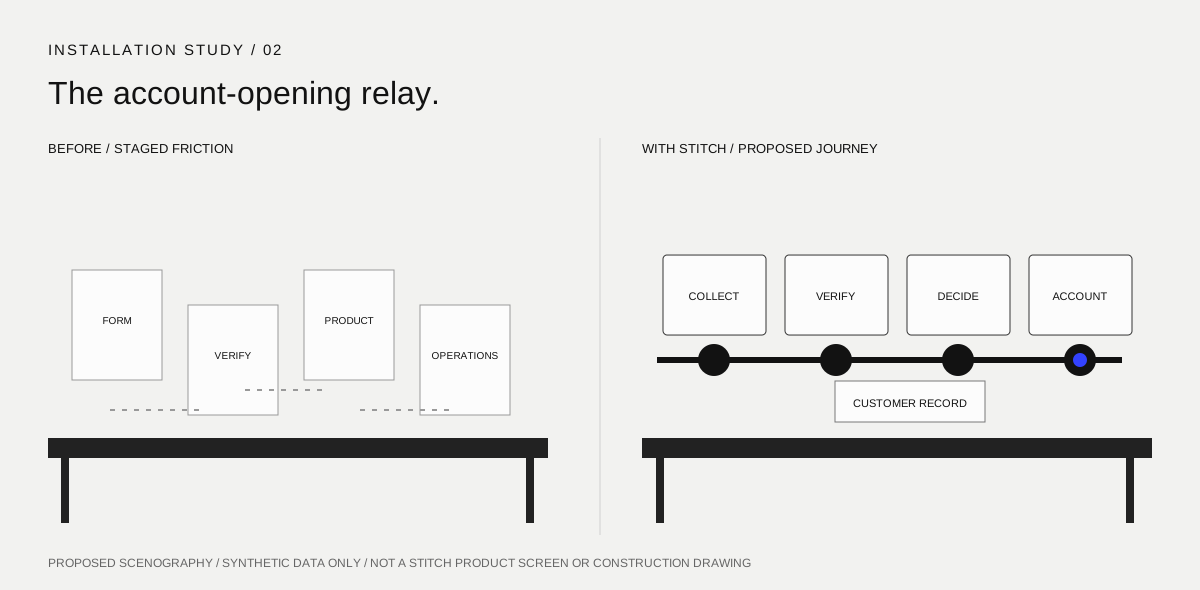 Concept schematic / open drawing ↗
Four separate counters pass the same fictional customer file between forms, verification, product and operations. Every hand-off leaves a visible gap.
One continuous rail links the same stages. Guests choose a product, arrange its required checks and follow the opening journey into a sample account record.
The interaction. Move one customer token through the journey. Try an incomplete record and see it routed for review, rather than pretending every customer is instantly approved.
The useful output. A shared onboarding map with product, compliance and operations owners identified.
Product grounding. Onboarding capabilities ↗. This installation is my proposed interpretation. Product specialists must validate the demonstration, rules and claims.
Cards + Deposits + Ledgers
Virtual cards / Digital wallets
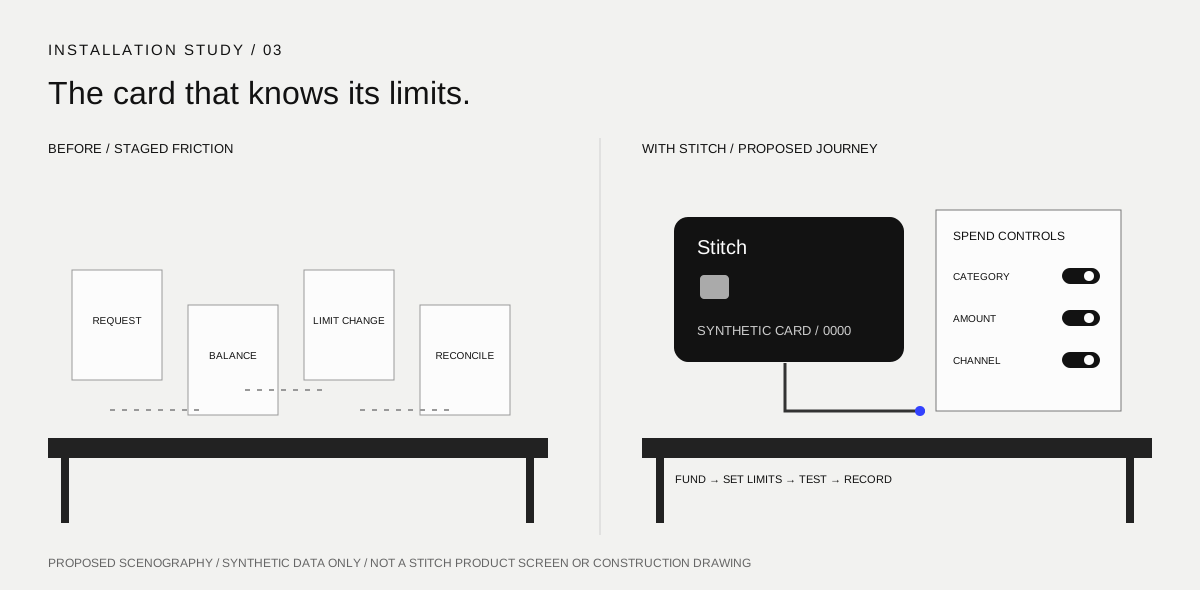 Concept schematic / open drawing ↗
A wall of separate card requests, balance enquiries and spend-limit changes. Guests trace how one employee purchase can cross several systems.
A tactile control bench pairs a synthetic wallet balance with a virtual-card scenario. Change a category limit and follow the authorised or declined transaction into the sample ledger.
The interaction. Select a use case, set a spend control and test a fictional purchase. The physical card is a prop; no real payment or issuance takes place.
The useful output. A card-programme brief covering audience, controls, funding and the next product evaluation.
Product grounding. Card issuing capabilities ↗. This installation is my proposed interpretation. Product specialists must validate the demonstration, rules and claims.
Transactions + Ledgers
Routing / Payment operations
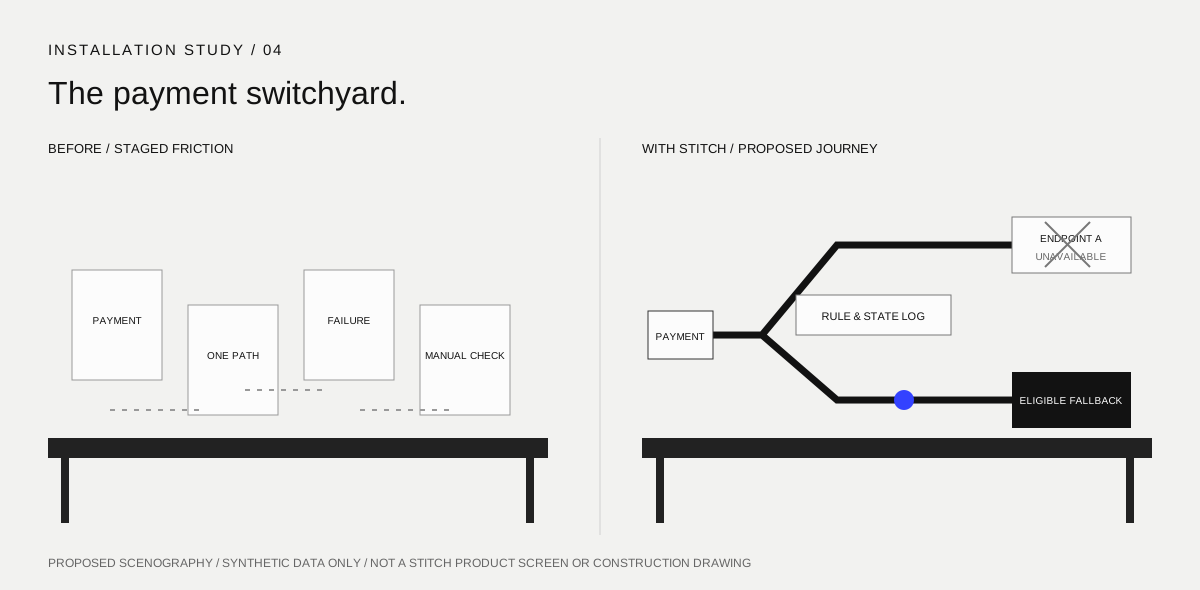 Concept schematic / open drawing ↗
A single illuminated route dead-ends at a failed endpoint. Beside it, a separate reconciliation tray waits for someone to explain what happened.
A physical route map branches into eligible endpoints. Guests set a routing rule, trigger a simulated failure and watch the configured fallback, with the transaction state recorded beside it.
The interaction. Move a payment token, choose the failure condition and explain the retry boundary. No invented uplift counter: the point is control and observability.
The useful output. A routing-policy sketch, failure questions and a named technical follow-up.
Product grounding. Routing capabilities ↗. This installation is my proposed interpretation. Product specialists must validate the demonstration, rules and claims.
Audience and product grounding: Stitch platform ↗. These are illustrative friction scenarios, not research claims about every institution. No live customer data, regulated decision, card issuance or payment is performed.
I would start with a small lending or bank-product group in Riyadh. Arabic-first or bilingual facilitation, right-to-left blueprint cards and a Saudi-specific synthetic journey reviewed by Product. Build around local working hours, prayer breaks and guest hospitality policies.
I would test a mixed product, payments and operations group in Dubai or Abu Dhabi. Bilingual materials where useful, and a second journey for wallet, card or cross-border needs. Separate competing accounts for sensitive working sessions.
Regional creative treatments, not claims of regulatory approval. Schemes, integrations and eligible products must be checked for the specific market.
It connects a recognisable lending pain point to a focused product conversation. Test the interaction with six people before investing in a full exhibition build.
I would own the brief, audience, guest journey, production and follow-through. Product owns demo accuracy; Sales owns account qualification and the next commercial step. No spend or booking is proposed without approval.
Let the demonstration
carry the story.
One useful customer journey gives the launch a clear focus. The set supports the explanation and leaves room for technical questions.
Follow the need, watch the synthetic demonstration and choose a technical or commercial clinic afterwards.
A clear capability story, reusable demonstration content and attended evaluation conversations.
Six freestanding frames form one backdrop. A precise connecting line leads toward the demo console. Off-white panels and charcoal acoustics keep the room legible, with no theatrical lighting to distract from the product.
Launch only against an approved release. Rehearse the demo, agree claims and prepare a clearly labelled recording as fallback. Layout and sightlines require validation.
Indicative design study. Not for construction.
Smaller rooms.
More useful conversations.
A focused forum gives product, technology and operations leaders room to work on a decision. Each discussion has a clear purpose and a facilitator.
Choose a relevant track, work through a question and contribute only approved themes to the shared synthesis board.
A useful playbook of approved insights, with optional clinics and Sales-owned follow-up where relevant.
Three enclosed rooms share one arrival space. A modular board connects the tracks and captures takeaways. Clear alignment helps guests read that structure. Opaque walls and closable doors give privacy a physical basis.
Acoustic performance needs testing. Avoid placing competing accounts together in confidential workshops. Publish only approved themes.
Indicative design study. Not for construction.
A useful identity.
Down to the last detail.
The same design language should travel from invitation to conversation to follow-up. Practical objects give that identity a consistent physical form.
Equip hosts with a blueprint folio, notebook, question cards, modular cards and a simple staff overshirt. Use the tools throughout the experience.
Consistent hosting and useful paperwork that can be revisited after the event.
Charcoal fabric, off-white paper and small construction details. A pull tab opens the folio, thread binds the notebook and an alignment mark positions the question. Branding stays selective.
These are concept samples, not approved gifts. Check recipient policies, sourcing, finishes and garment fit. A digital or no-gift option remains available.
Indicative design study. Not for construction.
One product ambition.
One useful conversation.
A sharp folded tab, a charcoal envelope and a direct invitation. The same idea carries through from the first touchpoint to the paper tools used in the room.
General and personalised concept versions.Off-white surfaces. Charcoal structure. Honest materials.
Monochrome carries the identity. Small accents stay functional.
 Existing brand identity
Denim / Headlines
ABC Diatype / Body
#121212#FCFCFC#4B4B4BSolid surface / brushed aluminium / acoustic fabric / uncoated paper
Stitch's current website is monochrome-first. Denim and ABC Diatype guide the type; physical materials and connection details are my proposed applications, not an official brand guideline.
7+ years across marketing, brand and GTM.
Experience with Abwab, Lean Technologies and MENA Fintech Association.
Product information checked 16 October 2026. Creative concepts, dimensions and costs are proposals, not commissioned work or commitments.